



Having a small space between your teeth can make you feel a bit shy when you smile. Many people want to fix this, but worry about the price. If you are looking for a dentist in Chestermere to help with your smile, you likely want to know which choice fits your budget. In Canada, there are several ways to fix a gap, ranging from quick fixes to long-term changes.
Dental Bonding: The Most Affordable Choice
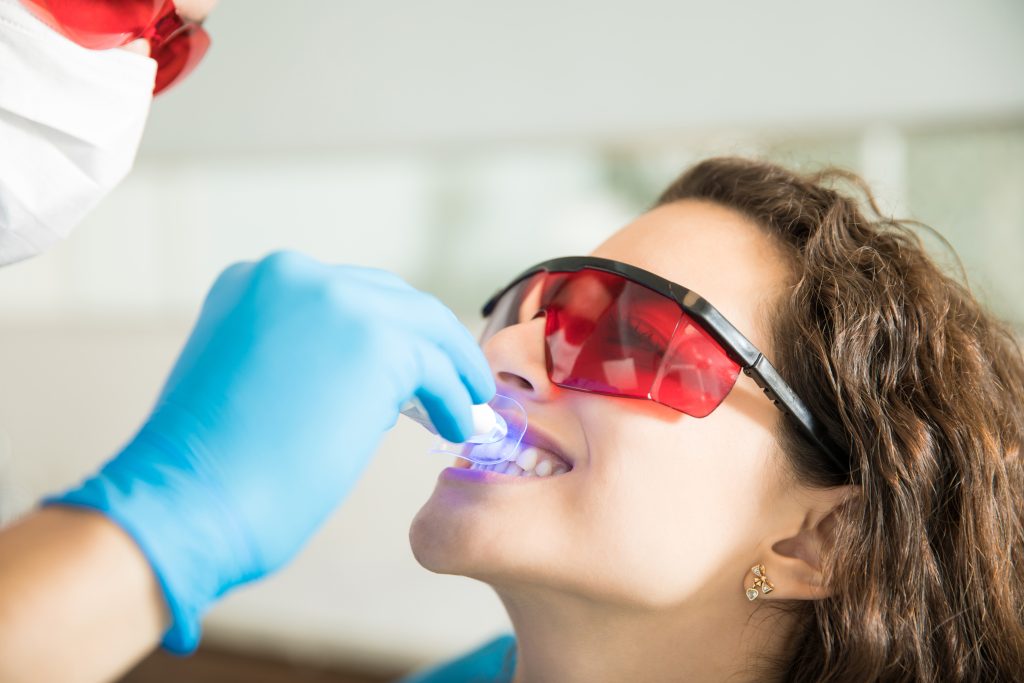
Dental bonding is usually the cheapest way to close a gap. This process uses a special tooth-coloured resin that a dentist near you applies directly to the tooth. It works like putty. The dentist shapes it to fill the space and then uses a curing light to harden it. It is very fast and often takes less than an hour.
One reason bonding is so popular is that it is one of the best non-invasive ways to close tooth gap issues. You usually do not need freezing or needles, since the dentist does not need to remove much of your natural tooth. While it is the most affordable, you should know that the resin can stain over time from things like juice or berries.
Comparison of Gap Closure Options
To help you understand the costs and time involved, here is a simple chart comparing the most common methods available at a cosmetic dentistry near you:
| Treatment | Speed | Cost Level | How Long Does It Last |
| Dental Bonding | 1 Visit | Lowest | 3 to 10 years |
| Clear Aligners | 6 to 18 Months | Medium | Permanent (with retainer) |
| Porcelain Veneers | 2 to 3 Visits | High | 10 to 15 years |
| Braces | 1 to 2 Years | Medium/High | Permanent (with retainer) |
Porcelain Veneers for a Durable Smile
Veneers are thin shells made of porcelain that cover the front of your teeth. While they cost more than bonding, they are very strong and stain-resistant. This is a common choice for people who want a “Hollywood” smile that stays bright for many years. It involves a bit more work than bonding, as a tiny layer of the tooth is usually smoothed down to make room for the porcelain shell.
Clear Aligners and Orthodontics
If misaligned teeth cause your gap, aligners might be the answer. Instead of just “filling” the gap with material, aligners move your actual teeth closer together. This is a permanent fix, but it takes more time and money than bonding. You wear clear plastic trays that slowly push your teeth into the right place.
Why Choose Non-Invasive Options?
Many patients prefer non-invasive methods to close tooth gaps because they want to keep their natural teeth healthy. Bonding is a great example of this. It adds to the tooth rather than taking anything away. This makes it a “reversible” option in many cases, which feels safer for many people.
Things to Think About Before Choosing
Before you decide, think about how much you want to spend and how long you want the fix to last. If you need a quick fix for a wedding or a graduation, bonding is perfect. If you want a fix that lasts a decade or more, saving up for veneers or aligners might be the better path for your long-term health.
Conclusion
Finding the right way to fix your smile depends on your goals and your budget. Whether you choose the quick, affordable option of bonding or the long-lasting beauty of porcelain veneers, the first step is to talk to a professional.
At East Chestermere Dental, we enjoy helping our neighbours feel great about their smiles. Our team can examine your teeth and help you choose the treatment that best fits your life. We offer a friendly environment and clear advice on all your options. If you are ready to see what is possible, booking a consultation can help you explore the best option for your needs!
Frequently Asked Questions
What is the lowest price for a gap closure?
Dental bonding is the least expensive option. It uses resin to quickly and safely fill spaces in a single visit.
Will my dental insurance pay for it?
Most plans cover repairs for chips, but they might not cover gaps if it is only for a prettier smile.
Is closing a gap painful?
Most treatments, like bonding or aligners, are not painful. You rarely even need a local anesthesia for dental bonding.
How long does dental bonding last?
Bonding usually lasts between three and ten years. You should have it touched up as it wears down.
Can I eat normally after bonding?
Yes, you can eat normally, but you should avoid biting very hard things like ice or pens with bonded teeth.