



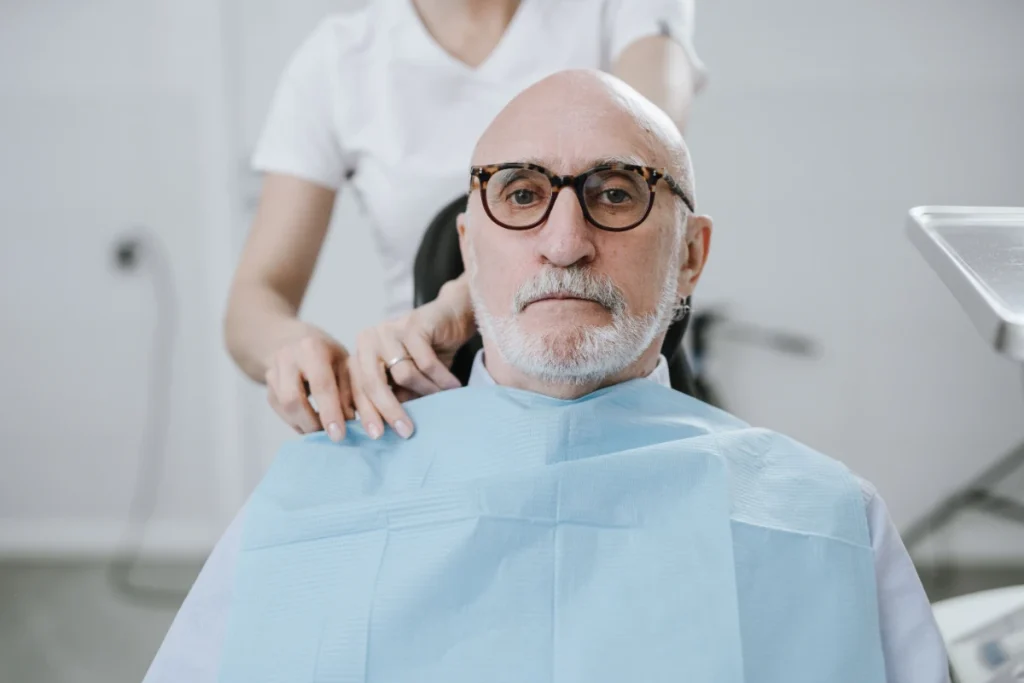
Just as our physical health needs shift over time, our oral health requires different attention at every stage of life, which is why understanding how dental care needs change with age — here’s what to watch for becomes so vital. From early adulthood into the golden years, natural wear, lifestyle changes, and medical shifts all impact our smiles. If you or a loved one are navigating evolving needs, exploring dental services for Seniors near you helps keep your oral health routine proactive, comfortable, and effective.
Understanding which changes to watch for helps you protect your natural teeth as you age, making it easier to choose the right dental services for Seniors near you to maintain your overall wellness.
Common Changes in Oral Health with Age
The structures inside our mouths alter in certain ways as we age. By identifying these early warning indicators, minor problems can be resolved before they grow more complicated:
- Increased Tooth Sensitivity: Decades of chewing, brushing, and occasional teeth grinding gradually wear down protective outer enamel, exposing the sensitive dentin layer beneath.
- Persistent Dry Mouth (Xerostomia): One of the most frequent side effects of several pharmaceutical drugs is decreased salivary flow. The risk of tooth decay increases dramatically when there is insufficient saliva to remove food particles and neutralize acids.
- Receding Gums: Over time, gums naturally pull back from teeth, exposing vulnerable root surfaces that lack hard enamel protection.
- Changes in Taste or Jaw Alignment: The way your teeth fit together as you chew might be affected by changes in bone density, normal tooth wear, or poorly fitting restorations.
Checking in with an experienced team providing comprehensive dental services allows you to stay ahead of these subtle changes.
The Deep Connection Between Oral and Systemic Health
The main entry point to the rest of your body is your mouth. Strong connections between oral health and overall wellness are frequently demonstrated in research, especially among older adults.
Chronic gum inflammation has been linked to increased risks of respiratory infections, diabetes complications, and cardiovascular disease by allowing harmful bacteria to enter the bloodstream.
Maintaining healthy gum tissue and protecting your general well-being are two benefits of working with a qualified dentist in Chestermere.
Practical Tips for Lifelong Smile Maintenance
Throughout each decade, you may hold a powerful and cushty grin by modifying your everyday routine:
- Make the switch to an electric toothbrush: For adults with arthritis or reduced dexterity, electric brushes offer continuous motion at low pressure, making thorough cleaning easier.
- Stay Hydrated and Fight Dry Mouth: Chew sugar-free gum to encourage natural saliva flow, use alcohol-free moisturizing rinses, and drink lots of water throughout the day.
- Protect Exposed Roots: To strengthen damaged enamel and exposed root surfaces, use fluoride toothpaste designed especially for sensitive teeth.
- Continue Frequent Examinations: Early diagnosis of concealed decay or gum changes is ensured by scheduling routine cleanings and exams at a reputable dental clinic near you.
Keep Your Smile Healthy and Strong
With the right assistance, navigating shifting oral health demands is easy and doable. You can have a functioning, self-assured smile at any age with proactive care, individualized advice, and comfortable treatments.
Our caring staff at East Chestermere Dental is committed to giving each member of your family respectful, individualized treatment. Make an appointment right now!
Frequently Asked Questions
Why am I getting cavities more frequently as I get older?
Gum recession, which exposes sloping root surfaces that decay quickly, and dry mouth, a common medication side effect, are two factors that increase the risk of hollow areas in older adults.
How does dry mouth impact my teeth?
Saliva neutralizes dangerous acids and removes leftover food debris. Plaque microorganisms proliferate extra fast when salivary flow is decreased, raising the risk of cavities and gum infection.
Are dental implants or dentures better for missing teeth in seniors?
The decision is based on your particular preferences, jawbone density, and general health. Modern dentures give a pleasant, detachable option, but implants offer a long-term, natural-feeling replacement.
How often should older adults visit the dentist?
Most adults benefit from visiting the dentist every six months. However, those dealing with dry mouth, gum disease, or complex restorations may be advised to visit every three to four months.